Home / Articles
Best Weight Loss Methods: Diet Medications, Fasting & Personalized Plans
Home / Articles
Best Weight Loss Methods: Diet Medications, Fasting & Personalized Plans
As the global obesity epidemic continues to rise, the quest for effective weight loss solutions intensifies. Among the most discussed approaches today are diet medications and intermittent fasting (IF)—two distinct methods that offer unique benefits and challenges.
Choosing the right path can be overwhelming. Some individuals turn to diet medications for rapid results, while others embrace intermittent fasting for lifestyle changes. Although both options have scientific support, they operate through different mechanisms and come with varied risks and results. In this article, we explore these two methods, helping you make an informed choice based on your unique health goals.
At PLAN;S Clinic, located in Seoul’s renowned Gangnam district, weight loss isn't just about numbers—it's about achieving lasting transformation. With their expertise in medical weight reduction, PLAN;S Clinic is trusted by patients globally for personalized care and results.
Diet medications are pharmaceutical treatments designed to support weight loss by influencing appetite, metabolism, or fat absorption. These medications come in different forms, including appetite suppressants, fat absorption inhibitors, and metabolism boosters.
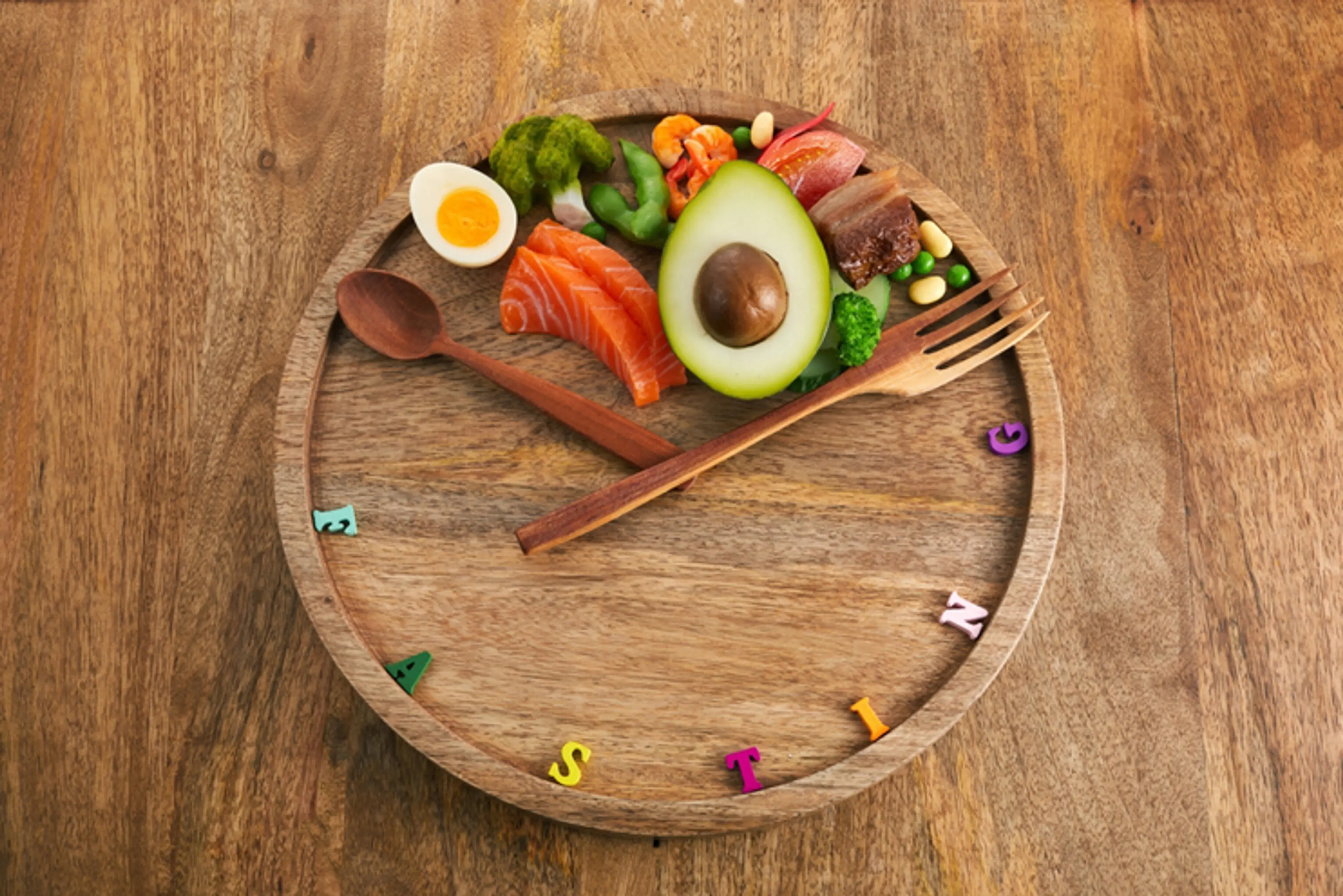
Unlike diet medications, IF relies on the body's natural rhythms, making it a low-cost and flexible strategy with no reliance on external substances. It has gained popularity worldwide for its simplicity and health benefits beyond weight loss.
While both diet medications and intermittent fasting support weight loss, their mechanisms are fundamentally different.
While diet medications may provide quicker results, intermittent fasting is often associated with long-term benefits, including improved blood sugar control, reduced inflammation, and enhanced fat loss.
At PLAN;S Clinic, professionals assess each patient's individual needs to recommend the most suitable approach—sometimes even combining both for optimal outcomes.
However, the effectiveness of both approaches depends on factors like individual metabolism and adherence. Medications can produce faster results, but fasting is more likely to lead to gradual, sustainable weight loss.
At PLAN;S Clinic, evidence-based treatment plans are crafted to align with each patient’s health profile and goals, ensuring both effectiveness and safety.
Safety is a critical consideration when choosing between diet medications and intermittent fasting.
At PLAN;S Clinic, patients undergo comprehensive evaluations to ensure that their chosen weight loss method is both safe and suitable for their unique needs. Regular follow-ups provide ongoing support and risk management.
Weight loss is highly individual, and no single approach works for everyone. That’s why personalized treatment is crucial.
For many patients, a hybrid strategy combining medications and intermittent fasting yields superior results. This personalized approach enhances adherence and ensures long-term success.
These stories highlight the clinic’s commitment to patient-centered care, offering solutions that are not only effective but also sustainable.
Sometimes, the most effective results come from combining diet medications and intermittent fasting under professional supervision. This hybrid approach takes advantage of the appetite-suppressing effects of medication and the fat-burning benefits of fasting.
The combination allows for faster initial results, while also supporting long-term health improvements like reduced inflammation and enhanced metabolic flexibility. At PLAN;S Clinic, specialists carefully design hybrid plans to ensure the safest and most efficient approach.
Weight loss is not only a physical journey but a psychological one as well. Emotional eating, body image issues, and motivation struggles can often hinder progress, even with the best weight loss methods in place.
At PLAN;S Clinic, psychological support is integrated into every plan. Patients receive counseling, motivation techniques, and tools for developing a healthy relationship with food and their bodies. This holistic approach ensures that weight loss is not just about shedding pounds, but also about gaining confidence and control over one’s health.
The best weight loss method depends on individual needs, health status, and goals. Whether you choose diet medication, intermittent fasting, or a combination of both, the key to success lies in personalization and professional guidance.
At PLAN;S Clinic, patients benefit from evidence-based, customized weight loss solutions that combine medical expertise, innovative treatments, and holistic support. With the right plan in place, you can achieve not just weight loss, but a healthier, more sustainable lifestyle.