Introduction
introductionEver wished for a body contour that matches your vision — not a number on a chart?
At PlanS Clinic in Seocho-gu, Seoul, we see this every day. Patients often ask, "Is my BMI too high for treatment?" or "Do I even qualify if I’m not overweight?" These are valid questions. But the truth is, BMI (Body Mass Index) doesn't define your suitability for non-surgical slimming.
Let’s break down why.
What is BMI, Really?
what-is-bmi-reallyBMI is a simple calculation based on your height and weight. It categorizes people as underweight, normal weight, overweight, or obese. Doctors often use it to assess general health risks like diabetes or cardiovascular disease. It’s fast, familiar, and easy to use in large-scale studies.
But here’s the catch: BMI doesn't measure fat distribution, muscle mass, or body shape.
For example, a professional athlete with high muscle mass could have a "high" BMI, even if they have very little fat. On the flip side, someone with a "normal" BMI might carry excess visceral fat, or have stubborn pockets of fat in areas they want to reduce. That’s where non-surgical slimming comes in.
Why BMI Isn’t the Best Guide for Aesthetic Treatments
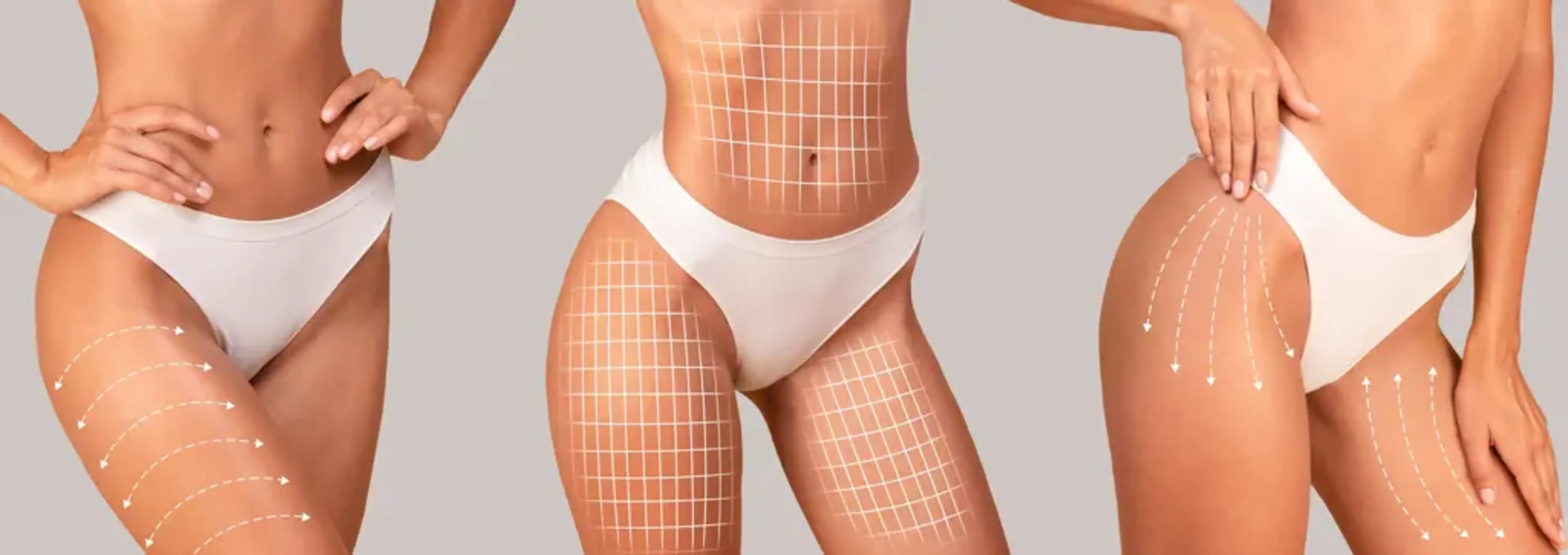
why-bmi-isn't-the-best-guide-for-aesthetic-treatmentsAt PlanS Clinic, we specialize in targeted fat reduction, not weight loss. Our non-invasive treatments like the PPE Injection, HIFU (High-Intensity Focused Ultrasound), and personalized laser contouring are designed to reshape specific areas of the body. This approach focuses on contour, not the number on the scale.
What people often overlook is that aesthetic treatments are about shaping, sculpting, and fine-tuning your body — not shrinking it down to fit a chart. BMI cannot assess how fat is distributed in the body, whether fat sits in the abdomen, under the chin, on the thighs, or around the arms. Nor can it tell us anything about your skin's elasticity or how your tissue responds to treatment.
That’s why, in clinical practice, we consider multiple factors beyond BMI when evaluating your eligibility and designing your treatment plan.
So, What Actually Matters?
so-what-actually-matters
When we assess whether non-surgical slimming is right for you, we look at:
Localized fat deposits: Are there specific areas where fat is resistant to diet and exercise? This often includes love handles, inner thighs, arms, lower abdomen, and the submental area (under the chin).
Skin elasticity: Will your skin bounce back after fat reduction? Treatments are more effective when your skin can adapt to the new contours.
Lifestyle and habits: Are you looking for a long-term solution or a quick fix? Patients with realistic expectations and healthy habits often see better, more sustainable outcomes.
Body goals: What result would feel like a win for you? Some patients want to look better in clothes; others want to feel more confident in photos. Defining success personally makes a difference.
We also assess things like hormonal balance, metabolic rate, and previous aesthetic procedures to ensure our treatments work synergistically with your unique physiology.
Common Scenarios We See at PlanS Clinic
common-scenarios-we-see-at-plans-clinicLet’s look at real-world examples from our practice:
Normal BMI, but stubborn fat: Patients with average weight but visible belly bulge, double chin, or thigh fat. These areas are often resistant to exercise and diet. For them, we use treatments like the PPE Injection to dissolve fat precisely without affecting surrounding tissues.
High BMI, but healthy metabolism: Some patients have a higher BMI but remain metabolically healthy. They don't have diabetes, hypertension, or cardiovascular risks. For these individuals, non-surgical contouring can improve their silhouette, boost self-esteem, and motivate further healthy lifestyle changes.
Low BMI, but disproportionate shape: Even thin individuals can carry localized fat in places that throw off their body balance. Think upper arm fat or a small lower belly pouch. For these patients, traditional weight loss won’t help — they need contouring to align with their aesthetic goals.
In all these cases, non-surgical slimming can be both effective and safe.
Korea’s Shift Toward Personalized Aesthetics
korea's-shift-toward-personalized-aesthetics
In Korea, where beauty standards and skincare culture are globally recognized, there’s a growing trend toward non-invasive, personalized care. People want treatments that are gentle, quick, and effective — without downtime. This is particularly true among working professionals and younger patients who can’t afford to take time off for surgery.
PlanS Clinic embodies this shift. Under the leadership of Dr. Do Geon Gi, our clinic has developed innovative tools like the PPE Injection, which delivers precision fat targeting with reduced swelling and faster results. Unlike traditional fat-dissolving injections that can cause discomfort or widespread inflammation, PPE is designed for targeted, subtle body contouring that aligns with your goals and daily life.
Our philosophy is rooted in understanding the patient as a whole — their lifestyle, self-image, and long-term vision. That’s what sets us apart.
Clinical Insight: It’s About Body Composition, Not BMI
clinical-insight:-it's-about-body-composition-not-bmiModern aesthetic medicine is shifting focus from BMI to body composition — the ratio of fat, muscle, and water in the body. Tools like bioelectrical impedance analysis (BIA) and 3D body scans give us far more useful information than BMI ever could.
Why does this matter?
Because two people with the same BMI can look and feel completely different. One might have high muscle tone and minimal fat, while the other may carry excess fat with very little muscle. Our treatments are adjusted to each patient’s composition so we can achieve natural-looking, proportional outcomes.
The Long-Term View
the-long-term-viewOne of the biggest advantages of non-surgical slimming is sustainability. We don’t just melt fat; we help you build a healthy relationship with your body.
Many patients who begin with a single targeted area end up making broader changes to their health. They become more conscious of posture, hydration, nutrition, and fitness. We see this time and time again: aesthetic improvement often sparks holistic transformation.
At PlanS Clinic, we provide ongoing support, regular check-ins, and options for skin tightening or toning to ensure your results evolve naturally with your body.
We also educate patients on how to maintain results through:
These elements work in tandem with our treatments for long-term success.
Final Thoughts
final-thoughtsIf you’ve been held back by your BMI score, don’t be. The real question is: What do you want to change? And how can we help you feel confident in your own skin?
At PlanS Clinic, we believe everyone deserves to feel good in their body — regardless of what the BMI chart says. With thousands of patients treated in 2024 alone, we’ve seen how non-invasive body sculpting can unlock newfound confidence and self-love.
If you’re considering non-invasive body sculpting, PlanS Clinic can guide you through a personalized treatment plan that matches your goals, not just your numbers. Ask your doctor — or visit a clinic that offers comprehensive, customized aesthetic care like PlanS Clinic.