Home / Articles
How to Get Rid of Belly Pouch After Baby
Home / Articles
How to Get Rid of Belly Pouch After Baby
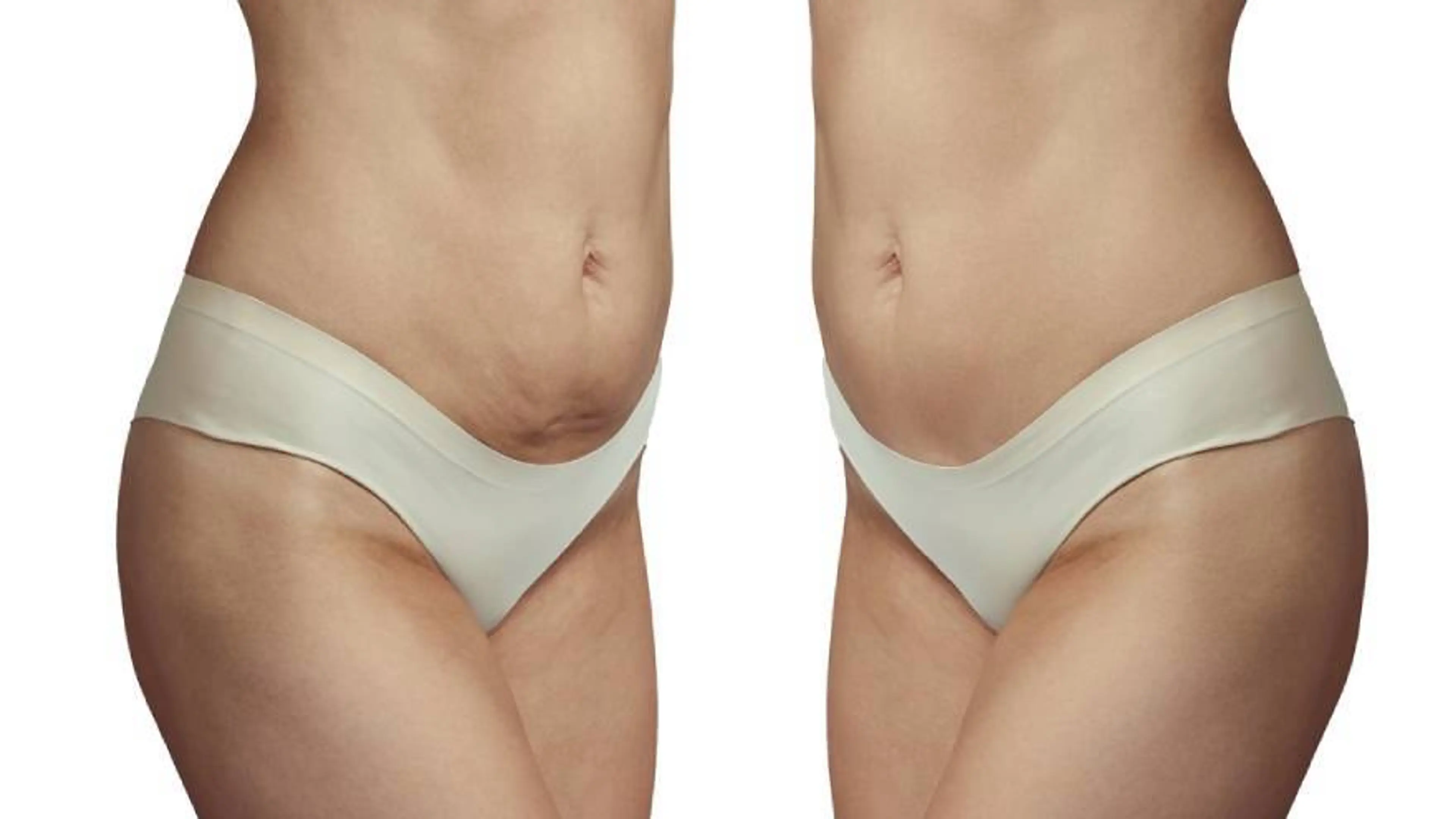
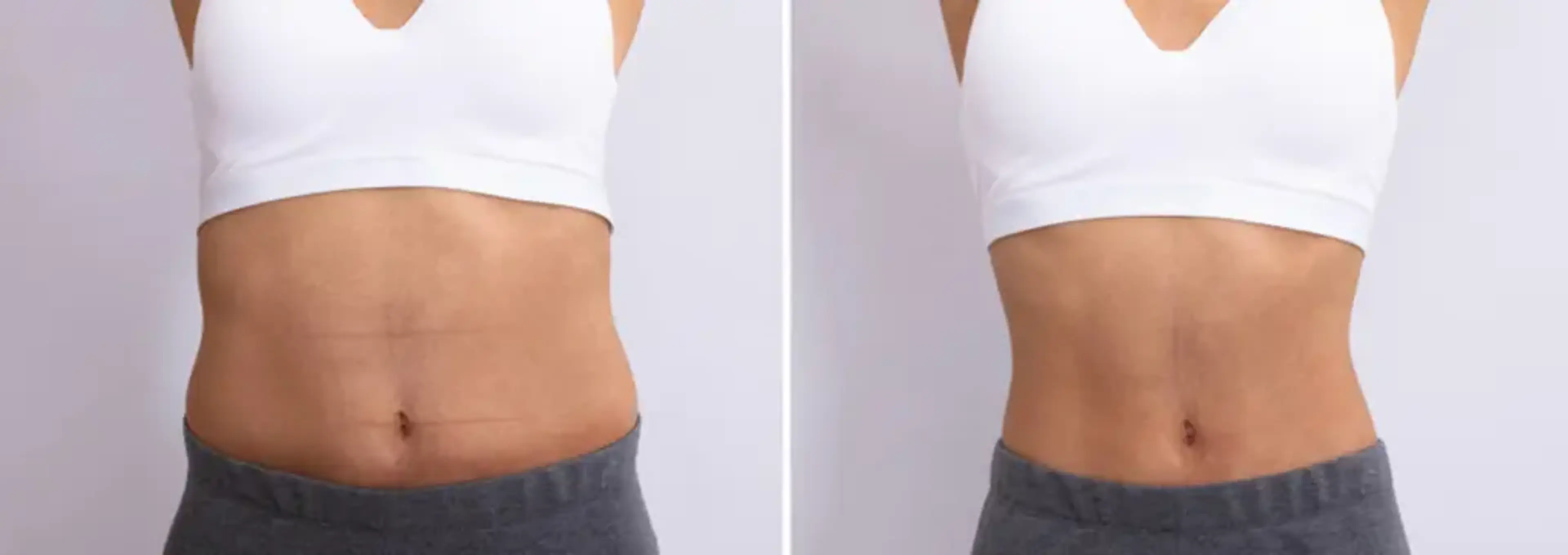
After giving birth, many women notice that they still have a "belly pouch" or extra weight around their midsection, even if they've lost most of their pregnancy weight. This is common and completely normal, but it can be frustrating when you're eager to return to your pre-pregnancy body. The belly pouch is often due to a combination of factors, such as pregnancy-related weight gain, changes in abdominal muscle tone, and hormonal shifts.
If you're wondering how to get rid of that belly pouch after baby, rest assured that with the right approach, it can be done. The key is understanding that getting your body back into shape takes time and requires patience, consistency, and a well-rounded approach that includes healthy eating, gentle exercise, and self-care.
The first thing to remember is that your body has undergone a significant transformation. It may take time for your belly to return to its pre-baby state. After childbirth, it’s common for your uterus to take 6-8 weeks to shrink back to its normal size, which can contribute to a lingering "pooch" feeling. In addition, your abdominal muscles, particularly the muscles along your core, may have been stretched or weakened during pregnancy, which can also lead to the appearance of a belly pouch.
Patience is key during this time. It's essential to avoid rushing the process, as this could lead to frustration or even injury. Instead, focus on the gradual steps of recovery, remembering that your body is healing and reshaping itself. It’s also helpful to set realistic goals for your postpartum recovery, such as regaining core strength, improving energy levels, or getting back to regular physical activity.
Nutrition plays a huge role in postpartum weight loss and belly fat reduction. If you want to get rid of the belly pouch, you’ll need to focus on a balanced, nutrient-dense diet that supports your body's recovery and overall well-being.
A diet that includes plenty of whole, unprocessed foods can help you lose excess fat and improve muscle tone. Emphasize foods that are rich in fiber, lean protein, and healthy fats. Some examples include:
After childbirth, portion control becomes an important consideration. While breastfeeding or caring for a newborn may increase your energy needs, overeating can contribute to weight gain and hinder progress. Be mindful of portion sizes, especially with high-calorie foods like nuts, dairy, and starchy vegetables. Opt for smaller, more frequent meals to maintain energy levels without overeating.
Refined sugars, processed snacks, and fast food can lead to weight gain and hinder your body’s ability to burn fat. High sugar intake can also spike insulin levels, which may contribute to fat storage, particularly around the abdomen. Reducing or eliminating sugary drinks, processed baked goods, and packaged snacks will help you get rid of that belly pouch more effectively.
Drinking plenty of water throughout the day is essential for overall health and can aid in weight loss. Staying hydrated helps flush out toxins, supports metabolism, and reduces bloating. Aim for at least eight glasses of water daily, and consider incorporating herbal teas or infused water with lemon or mint for added flavor.
For many women, breastfeeding can contribute to postpartum weight loss. This is because producing milk burns extra calories—about 300 to 500 calories per day. In addition, breastfeeding can help shrink the uterus back to its pre-pregnancy size. However, it’s important to eat a nutrient-dense diet to maintain energy levels and support milk production while still working toward weight loss.
Breastfeeding not only provides essential nutrients for your baby but also plays a role in postpartum weight loss for many women. In the early months after childbirth, your body is still adjusting to the demands of breastfeeding. For some women, this natural calorie burn can lead to gradual weight loss, including the reduction of the belly pouch.
Breastfeeding stimulates the release of oxytocin, a hormone that helps the uterus contract back to its normal size, which can also help flatten the belly area over time. While the process may not happen overnight, breastfeeding, combined with a healthy diet and exercise, can support the reduction of belly fat.
It’s important to note that not every woman loses weight through breastfeeding alone, and the process can vary based on factors like genetics, diet, and exercise levels. Additionally, breastfeeding should not be used as a “quick fix” for weight loss, as maintaining a healthy approach to nutrition is crucial for both mom and baby.
One of the most effective ways to get rid of the belly pouch is by strengthening the muscles in your core. During pregnancy, the abdominal muscles, particularly the rectus abdominis (the “six-pack” muscles), can stretch and become weakened. It’s essential to gradually rebuild strength in these muscles to help reduce the appearance of a belly pouch.
After getting clearance from your doctor (usually around 6 weeks postpartum), you can begin incorporating core exercises into your routine. Start with low-impact, low-intensity exercises that engage the deep core muscles.
Once your core strength improves, you can begin adding more challenging exercises to your routine. Some options include:
Incorporating cardiovascular exercise into your routine is an essential part of burning fat and reducing belly fat. It also improves overall cardiovascular health, boosts energy, and helps relieve stress.
In the first few weeks postpartum, it’s important to start with low-impact exercises that don’t put excessive strain on your body. Consider walking, which is gentle on your joints and can help you ease back into exercise. Walking for 30 minutes a day can help with fat burning and improve cardiovascular health.
As you gain strength and stamina, consider increasing the intensity of your workouts by adding activities such as swimming, cycling, or jogging. If you’re looking to reduce belly fat more quickly, high-intensity interval training (HIIT) can be effective. HIIT involves short bursts of intense exercise followed by periods of rest, which helps burn fat more efficiently.
Postpartum belly wraps or support garments can provide immediate relief and support during the early postpartum period. These wraps are designed to help support the abdominal muscles, improve posture, and provide a sense of security for your healing body.
While these garments can be useful for physical support, it’s important to remember that they don’t provide a long-term solution for reducing the belly pouch. They can, however, help you feel more comfortable as you heal and begin to engage in more active exercise.
Yoga and Pilates are excellent forms of exercise for new mothers because they focus on gentle, controlled movements that help rebuild core strength and flexibility. These activities also reduce stress, which is important for weight loss and overall well-being.
Yoga can help improve posture, flexibility, and mental well-being. Poses like downward dog, child’s pose, and cobra can gently stretch the abdominal muscles, relieve tension, and improve circulation to the belly area.
Pilates focuses on strengthening the deep muscles of the core, making it an ideal workout for women looking to flatten their belly. It emphasizes controlled movements and breathing techniques that engage the abdominal muscles.
High levels of stress can increase cortisol production, a hormone that contributes to fat storage, particularly around the belly. Managing stress is crucial for postpartum recovery and overall health.
Consider incorporating relaxation practices like deep breathing exercises, meditation, or spending time in nature. Taking time for yourself, even in small increments, can make a big difference in managing stress and supporting your recovery.
Sleep plays a vital role in weight loss and overall well-being. While it’s challenging to get enough sleep with a newborn, quality rest is essential for regulating hormones, improving metabolism, and allowing your muscles to repair and grow stronger.
If you’re unsure about how to get rid of the belly pouch, especially if you suspect you may have diastasis recti (abdominal muscle separation), it’s important to consult with your doctor or a certified postpartum fitness trainer. They can guide you through safe exercises and help you create a personalized recovery plan.