Home / Articles
Loose Skin on Arms? Try This First
Home / Articles
Loose Skin on Arms? Try This First
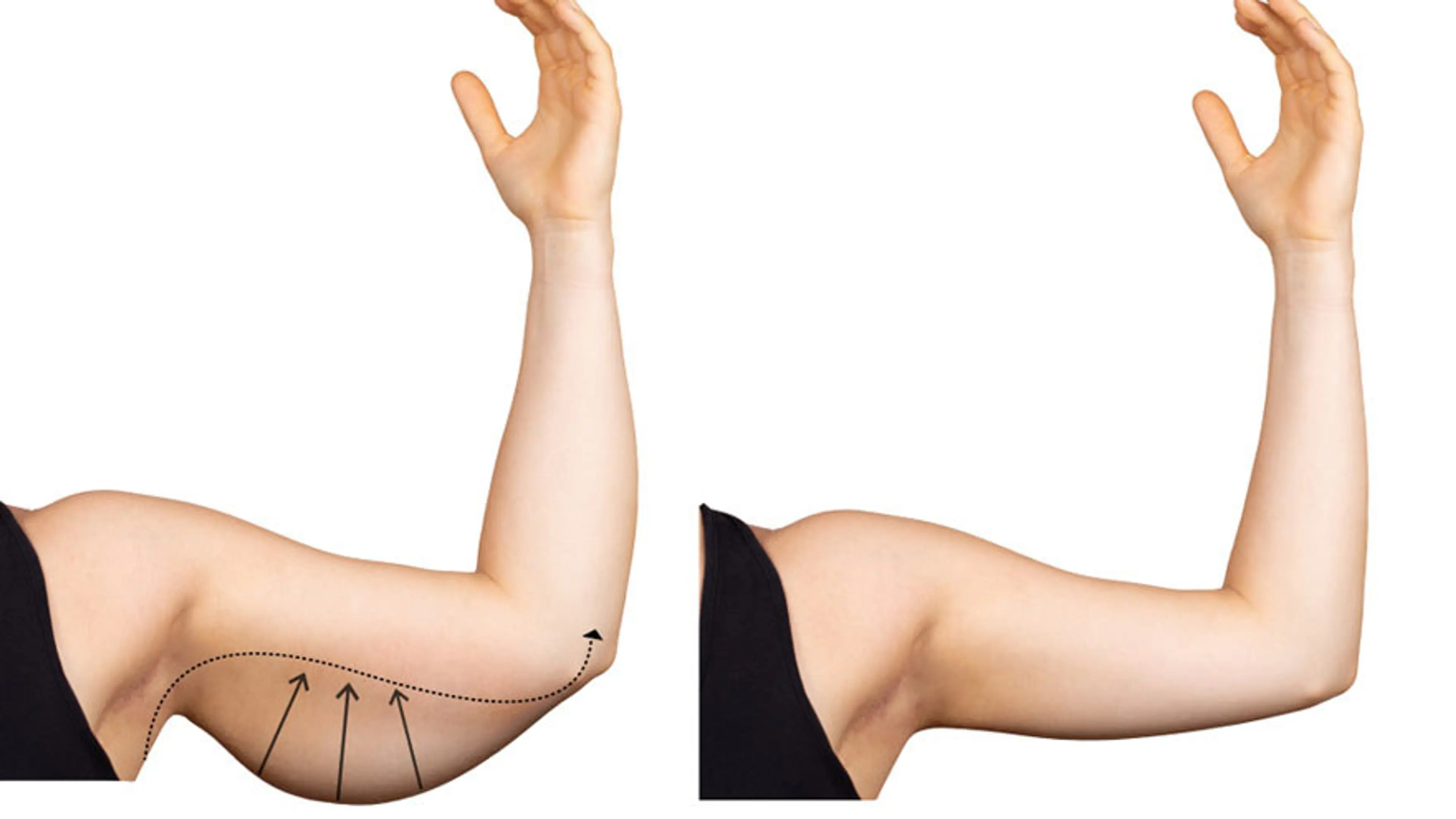
Ever looked in the mirror and wished your upper arms felt tighter — more toned, less droopy? You’re not alone. Loose arm skin (often called “bat wings”) is one of the most common body concerns we see, especially after weight loss or with age. In South Korea, where aesthetic balance and proportionality are deeply valued, concerns around arm shape and skin firmness are particularly common, especially among women post-childbirth or after intense dieting.
Understanding the root of the problem helps us target it better. Here are the top contributors:
At PLAN;S Clinic
Before trying any treatment, start with the basics. These steps strengthen your skin and body from the inside out.
Focus on triceps, biceps, and shoulders.
Try exercises like push-ups, dips, tricep kickbacks, and dumbbell curls.
Muscle growth can make arms look tighter by filling space under the skin.
Clinical research has shown that consistent resistance training improves skin tightness indirectly by building the underlying muscle volume, reducing the appearance of laxity. Aim for strength sessions at least 3 times per week. Not only does this improve appearance, but stronger arms enhance metabolic rate and overall posture.
In Korea, Pilates and resistance band training have gained popularity for targeted muscle toning. These low-impact routines are ideal for beginners or those recovering from weight loss.
Use moisturizers with retinol, vitamin C, and peptides to promote elasticity.
Exfoliate gently (e.g., dry brushing) to improve circulation.
Never skip SPF on your arms — sun protection is essential.
Over-the-counter products won't replace medical treatments, but they support your skin’s regenerative capacity, particularly when used consistently alongside other therapies. In our clinic, we often recommend Korean cosmeceuticals that are formulated with growth factors and fermented ingredients to enhance dermal penetration and collagen activation.
Eat enough protein: skin and muscle rely on amino acids.
Stay hydrated to keep skin supple.
Limit sugar, smoking, and alcohol — all of which degrade collagen.
Nutrition directly affects skin health. Collagen synthesis requires not only amino acids but also vitamin C, zinc, and copper. Antioxidant-rich foods help combat oxidative stress that breaks down skin fibers. Korean diets rich in fermented vegetables (like kimchi), seaweed, and bone broths naturally support skin health.
These lifestyle changes are crucial — not just for appearance, but also to boost the results of any medical treatment that follows. At PLAN;S Clinic
, we consider this foundation non-negotiable.
If your skin laxity is mild to moderate, several non-invasive tools can visibly improve tightness and tone. At PLAN;S Clinic
, we often combine these methods for best results.
Treatment | What It Does | Best For |
|---|---|---|
Radiofrequency (RF) | Heats skin to stimulate collagen | General firming for mild sagging |
Ultrasound (e.g., HIFU) | Penetrates deeper to tighten from below | Lifting effect for loose tissue |
Microneedling (with or without RF) | Triggers skin regeneration | Texture and firmness |
Laser Tightening | Stimulates collagen using light | Surface-level smoothing |
Fat-Freezing (e.g., CoolSculpting) | Targets fat beneath the skin | When laxity is fat-related |
PDO Threads | Lifts and stimulates collagen | Mild lifting, localized sagging |
Collagen-Stimulating Injectables | Adds subtle support | Best for mild contouring |
Microneedling with radiofrequency combines mechanical stimulation and thermal energy, making it effective for crepey texture and mild laxity. It's especially useful for post-weight loss patients whose skin shows surface-level wrinkling.
At PLAN;S Clinic
, we customize your treatment based on skin type, age, and arm structure, creating a plan with measurable milestones over 3 to 6 months. For patients seeking minimal downtime, we often recommend RF microneedling combined with topical peptide serums to enhance collagen remodeling.
Hangs in folds
Doesn’t respond to muscle flexing
Removes excess skin and fat.
Leaves a scar (usually along the inner upper arm).
Requires downtime and carries surgical risks.
While effective, surgery should be reserved for severe cases or when non-invasive options have been exhausted. In Korea, where scar visibility and social downtime matter significantly, many patients hesitate to undergo brachioplasty. That's why at PLAN;S Clinic
Here’s what a typical non-surgical plan might look like:
Time Frame | Action Plan |
Month 1 | Start weight training and medical-grade skincare |
Month 2–3 | Begin RF or ultrasound treatments (2–3 sessions) |
Month 4–6 | Add microneedling, fat reduction, or threads |
Ongoing | Maintain with workouts, diet, and periodic treatments |
This kind of progressive, layered approach often delivers impressive results — especially when paired with strong daily habits. Clinical follow-ups typically occur every 4 to 6 weeks to monitor collagen remodeling and patient satisfaction. We use 3D imaging tools at PLAN;S Clinic
to track improvement in arm contour and firmness, offering patients tangible proof of progress.
Loose skin on arms is common — and treatable.
Always start with muscle building, skincare, sun protection, and nutrition.
Non-surgical treatments like RF, ultrasound, and microneedling work best for mild to moderate sagging.
Severe sagging may need surgical removal — but only after you’ve tried conservative options.
At PLAN;S Clinic
, we guide patients step-by-step toward firmer arms with a personalized, non-invasive care plan.
The most important lesson? There’s no one-size-fits-all solution. The best approach combines smart daily habits with the right technologies, applied strategically. We’re here to help you through every step.
We offer advanced, non-invasive options — and honest guidance about what will work best for your body.