Home / Articles
Non-Surgical Methods to Reduce Lower Belly Fat Effectively
Home / Articles
Non-Surgical Methods to Reduce Lower Belly Fat Effectively
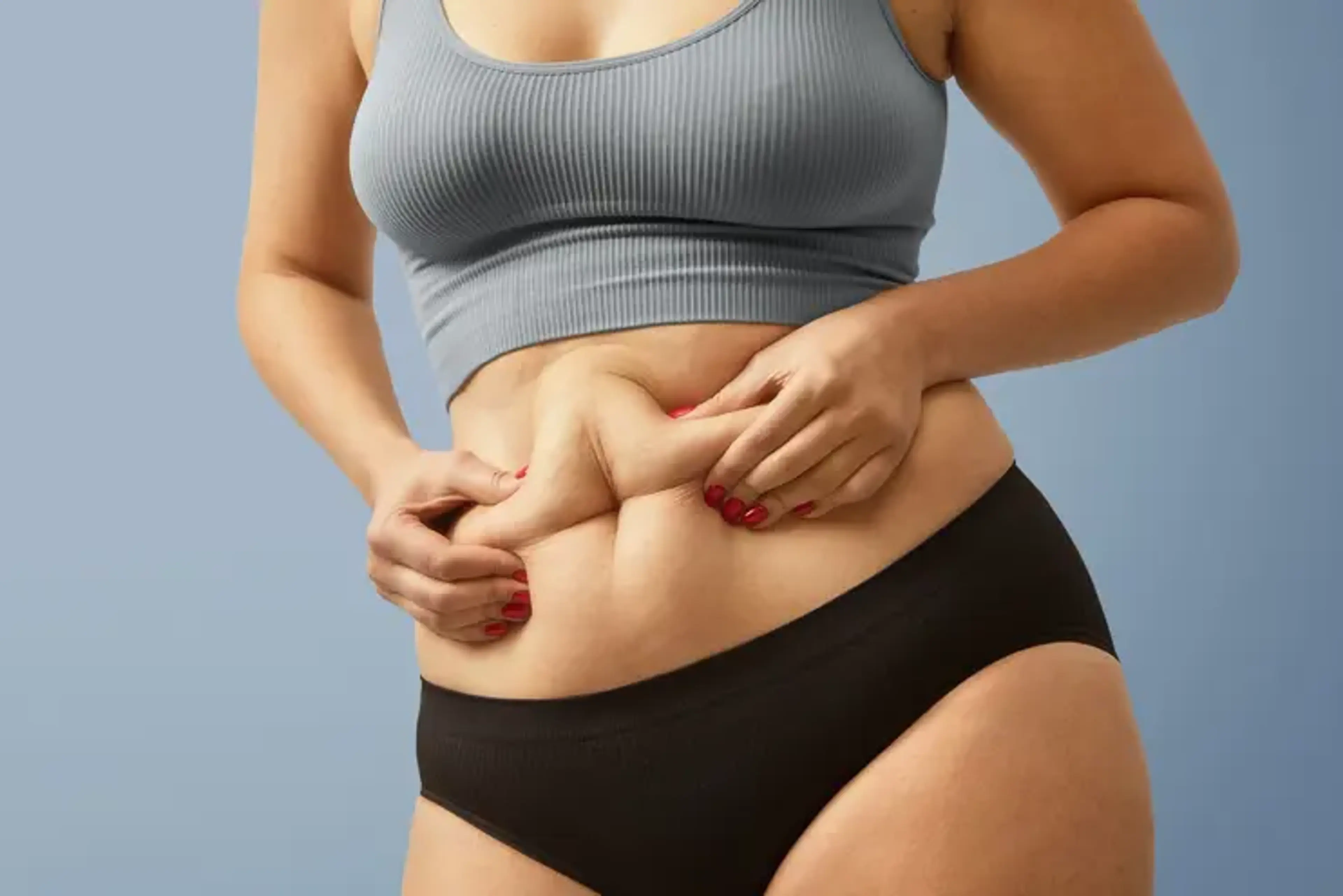
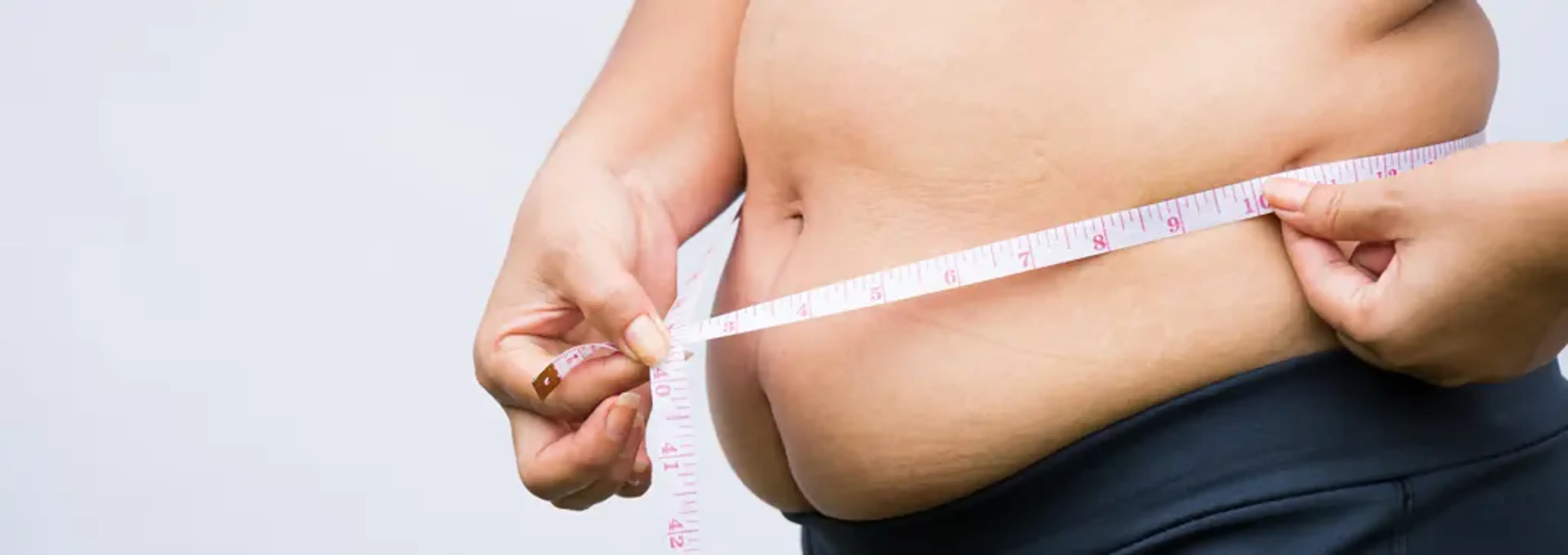
For many people, lower belly fat is one of the most stubborn areas to address when trying to lose weight. Unlike fat in other parts of the body, the fat around the lower abdomen tends to accumulate due to a variety of factors, including poor dietary habits, lack of exercise, stress, and hormonal fluctuations. It's a persistent problem that often resists traditional methods of dieting and exercising.
Known as visceral fat, this type of fat surrounds essential organs and can pose serious health risks. Beyond affecting your appearance, it increases the likelihood of conditions like heart disease, type 2 diabetes, and high blood pressure. While surgery may seem like a solution, many individuals are hesitant or unwilling to go under the knife. The good news? There are several effective, non-invasive ways to reduce lower belly fat and improve health without the need for surgery.
In this article, we'll explore various approaches for reducing lower belly fat, including exercise, dietary changes, and cutting-edge treatments. These strategies are accessible and can help you achieve a flatter stomach and enhanced health.
A healthy, nutrient-rich diet is one of the key components in reducing lower belly fat. Focusing on whole foods and avoiding processed, sugar-laden products can help you shed belly fat in a healthy, sustainable way. While it’s impossible to spot-reduce fat, a calorie-controlled diet designed to promote fat loss can contribute to overall weight reduction, including the abdominal region.
Foods that accelerate fat burning and boost metabolism should be prioritized. For example, fiber-rich foods such as leafy greens, fruits, and whole grains help control hunger by keeping you fuller for longer, reducing the likelihood of overeating. Lean proteins like chicken, turkey, tofu, and legumes support muscle growth and fat burning. Healthy fats—found in foods like avocado, nuts, and olive oil—are critical for a balanced diet and can promote better metabolism.
In addition to the types of foods you consume, portion control and meal timing also play a significant role in reducing belly fat. Eating smaller, more frequent meals throughout the day can help stabilize blood sugar levels, preventing energy crashes and curbing excessive hunger. Limiting the intake of processed foods, sugary snacks, and fried meals can significantly reduce your overall caloric intake, making it easier to lose fat.
Another key dietary strategy is managing blood sugar levels. Spikes in blood sugar and insulin can promote fat storage, particularly in the belly area. Incorporating foods like sweet potatoes, quinoa, and oats into your diet can help regulate insulin and promote fat loss.
While diet is crucial for reducing belly fat, exercise is equally important. The right combination of strength training and cardiovascular workouts can burn calories, increase metabolism, and target fat reduction, including in the stubborn lower belly area.
Aerobic exercises like walking, running, swimming, and cycling are excellent for burning calories and improving heart health. Aim to engage in these activities for at least 30 minutes, most days of the week, to create a calorie deficit and promote fat loss. High-Intensity Interval Training (HIIT) is another effective cardio workout, alternating between high-intensity and low-intensity intervals. HIIT is particularly good for accelerating fat burning, even after the session ends.
Building muscle mass through strength training exercises—such as weightlifting, squats, lunges, and core exercises—can increase your resting metabolic rate, making it easier to burn fat. A strong core is essential not just for a flatter stomach, but for overall body strength and stability. Core exercises like planks, leg raises, and crunches help tone the abdominal muscles, targeting the lower belly area. However, it's crucial to combine these exercises with cardio and a healthy diet for the best results.
While spot reduction is a myth, certain exercises can help tone and sculpt the lower belly muscles. Incorporate the following movements into your workout routine to target this area:
Combining these exercises with a well-rounded fitness routine that includes cardio will help you lose fat more efficiently and achieve a toned physique.
Fat loss isn’t just about diet and exercise—it requires sustainable lifestyle changes. How you live, manage stress, sleep, and move throughout the day can all affect your ability to reduce lower belly fat.
The simplest way to boost calorie burn is by staying active throughout the day. Small, everyday changes—like taking the stairs instead of the elevator, walking during breaks, or using a standing desk—can increase your daily activity levels. These seemingly minor adjustments add up, helping you burn extra calories and reduce fat storage around the belly.
Both sleep and stress are powerful factors in belly fat accumulation. Lack of sleep increases hunger hormones, which can trigger overeating and fat gain. Chronic stress raises cortisol levels, a hormone that encourages fat storage, particularly in the abdominal area. Aim for 7–9 hours of quality sleep per night and incorporate stress management techniques, such as yoga, deep breathing, or meditation, to keep cortisol in check.
Consistency is the most important factor in achieving lasting fat loss. Quick fixes may offer temporary results, but long-term, sustainable changes in diet, exercise, and lifestyle will lead to permanent improvements in body composition.
Non-invasive fat reduction treatments are increasingly popular as effective alternatives to surgery. These advanced procedures break down fat cells without the need for incisions or significant recovery time.
While often overlooked, hydration plays a crucial role in reducing belly fat. Staying hydrated supports healthy metabolism, aids digestion, and reduces bloating, helping you achieve a flatter stomach.
Drinking water before meals can help control appetite and prevent overeating. Water also flushes toxins from the body and helps reduce water retention, which can lead to bloating. Avoid sugary drinks, as they contribute to weight gain and belly fat accumulation.
Aim for at least 8 glasses (64 ounces) of water daily, and include hydrating foods like cucumbers, watermelon, and celery in your diet to stay hydrated.
Achieving a flatter stomach takes time, and the process requires patience. While rapid weight loss may sound tempting, slow, consistent efforts will yield more sustainable, lasting results.
It’s easy to become discouraged when progress feels slow. However, making small, consistent changes in your exercise, diet, and lifestyle will ultimately lead to success. Remember that lasting results involve a combination of diet, exercise, hydration, and sometimes non-surgical treatments. The key is staying committed and being patient with the process.
There are many misconceptions when it comes to belly fat reduction. Here are some myths that need to be cleared up:
To achieve the best results in reducing lower belly fat, a multi-pronged approach is most effective. Relying on just one method—whether it’s diet, exercise, or treatments—may not deliver the desired results. Instead, combining several approaches will help ensure faster, more sustainable fat loss.
By integrating these elements into your routine, you’ll achieve more efficient and lasting results in reducing lower belly fat.
If your efforts with diet and exercise aren’t yielding the desired results, it may be time to consider professional help. Non-surgical fat reduction treatments offer targeted solutions for stubborn belly fat without the need for surgery.
Reducing lower belly fat has benefits that go beyond just aesthetics. A flatter stomach can significantly boost self-confidence and mental well-being. Many people report feeling more motivated to maintain a healthy lifestyle after seeing results from fat reduction.
Beyond the cosmetic benefits, reducing belly fat also improves overall health. Visceral fat, in particular, is linked to higher risks of metabolic conditions such as heart disease and diabetes. By targeting and reducing this fat, you’re improving your long-term health and well-being.
Non-surgical fat reduction treatments, such as CoolSculpting and radiofrequency therapy, are gaining popularity worldwide due to their effectiveness and minimal recovery time. In countries like South Korea, these treatments have become a go-to solution for individuals seeking non-invasive ways to improve their appearance. PLAN;S Clinic, located in Seoul, is a leading provider of these treatments, offering customized solutions tailored to the needs of each patient.
Reducing lower belly fat without surgery is achievable through a combination of healthy lifestyle changes, targeted exercises, and non-invasive treatments. By following a balanced diet, staying hydrated, engaging in regular physical activity, and considering advanced treatments, you can achieve a flatter stomach and improve your health without undergoing surgery.