Home / Articles
Skin Boosters for Redness-Prone Skin: The Ultimate Solution
Home / Articles
Skin Boosters for Redness-Prone Skin: The Ultimate Solution
Sensitive skin that easily flushes or reacts to environmental changes can be more than just a cosmetic concern; it often impacts a person’s daily life. Conditions such as rosacea, dermatitis, and exposure to environmental stressors—like pollution, UV rays, and harsh skincare—are common causes of these issues. Fortunately, injectable skin treatments, specifically skin boosters, offer a solution that provides lasting relief and skin rejuvenation, beyond what topical solutions can deliver.
Skin boosters are injectable treatments that focus on enhancing hydration and overall skin health. Unlike dermal fillers, which restore facial volume, skin boosters are designed to improve skin texture, elasticity, and moisture from the inside out. They commonly use hyaluronic acid (HA), a substance naturally found in the body that can retain up to 1,000 times its weight in water. Well-known formulations include Juvelook, Restylane Vital, and other KFDA-approved options, specifically crafted to be gentle on sensitive skin.
To understand how skin boosters help with redness and sensitivity, it's important to consider their mechanism of action. The injections deliver hydration and reparative ingredients directly into the dermis (the middle layer of the skin). Hyaluronic acid molecules bind with water, providing a plumping effect that improves skin hydration and elasticity.
Beyond hydration, skin boosters also:
Stimulate fibroblasts to boost collagen and elastin production, improving skin structure and resilience.
Strengthen the skin barrier, which is often compromised in sensitive or inflamed skin.
Modulate inflammatory responses, reducing redness and discomfort by regulating immune activity at the cellular level.
Emerging studies suggest that skin boosters can even help downregulate inflammatory cytokines—molecules responsible for irritation—making them effective at soothing inflammation while providing hydration.
Several scientific studies have confirmed the benefits of HA-based skin boosters for reducing redness and improving overall skin comfort. A 2022 dermatology journal article found that patients receiving skin boosters showed significant improvements in erythema (redness), hydration, and skin comfort after just three sessions. Advanced skin analysis technologies like VISIA have demonstrated improvements in skin texture, increased epidermal thickness, and better barrier function, all crucial for those dealing with conditions like rosacea.
Among the various skin boosters, Juvelook has shown particular promise for those with redness-prone skin due to its unique formula and sustained-release technology. It helps calm inflammation while promoting skin repair, making it a preferred treatment in clinics worldwide.
Juvelook stands out as one of the best options for treating sensitive, redness-prone skin. It combines low molecular weight hyaluronic acid with poly-D,L-lactic acid (PDLLA), offering both immediate hydration and long-term collagen stimulation. This makes Juvelook particularly beneficial for individuals with inflammatory conditions like rosacea, as it supports the skin's natural healing process without causing irritation.
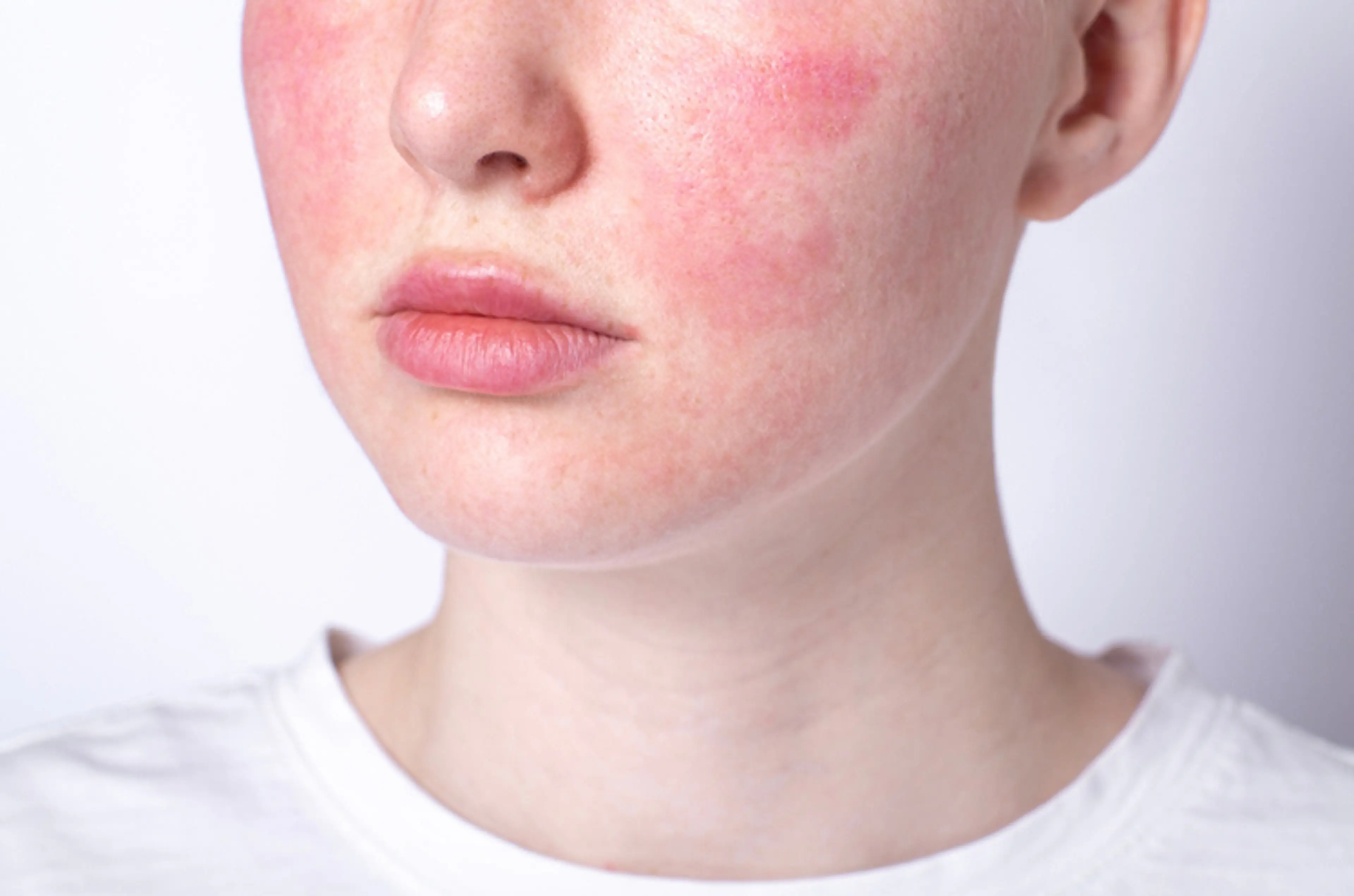
Rosacea is a chronic condition marked by persistent redness, broken capillaries, and a hypersensitive skin barrier. While traditional treatments include oral antibiotics or topical metronidazole, dermatologists now recommend skin boosters as a complementary treatment—especially for flare-ups triggered by dryness or environmental factors.
Skin boosters help by rehydrating the dermis, calming dilated capillaries, and reinforcing the skin barrier. This dual benefit not only reduces the appearance of rosacea but also minimizes the likelihood of flare-ups. In mild to moderate cases, skin boosters can be combined with treatments like LED therapy, gentle microneedling, or low-level laser therapy to enhance healing and improve skin texture.
For those with inflammatory skin conditions, there can be concerns about injecting products into sensitive skin. However, studies suggest that HA-based skin boosters, when administered by trained professionals, are safe and effective in reducing redness and discomfort.
After energy-based treatments like laser resurfacing or microneedling, patients often experience temporary redness and irritation. Skin boosters play a vital role in post-procedural care by accelerating recovery. When administered shortly after these treatments, skin boosters help:
Hydrate damaged tissues, promoting quicker recovery.
Reduce inflammation and support collagen remodeling.
Prevent transepidermal water loss (TEWL), which can exacerbate sensitivity.
At PLAN;S Clinic, skin boosters are commonly incorporated into recovery protocols to help patients heal faster and reduce side effects. Many patients report immediate relief and noticeable improvements in redness within 48-72 hours.
Let’s consider two patient cases from PLAN;S Clinic:
These cases highlight how skin boosters can provide both cosmetic and functional benefits for those struggling with inflammation and long-term skin stress.
Skin boosters are generally safe for individuals with sensitive skin when performed by experienced professionals using FDA- and KFDA-approved products. The biocompatible hyaluronic acid used in most skin boosters is naturally found in the body, making allergic reactions and adverse effects rare. Additionally, these treatments are free from synthetic fragrances, preservatives, and harsh additives that often irritate sensitive skin.
At PLAN;S Clinic, comprehensive pre-treatment assessments are conducted to ensure that skin boosters are suitable for each patient’s skin type and condition.
Hydration is crucial for maintaining healthy, resilient skin, especially for those with sensitive skin. When skin becomes dry, it can trigger a cycle of tightness, microtears in the skin barrier, inflammation, and eventually, redness. Skin boosters restore hydration deep within the dermis, where moisturizers and serums cannot reach. The high concentration of hyaluronic acid attracts and retains water, helping to:
Smooth out micro-fissures in the skin.
Strengthen the lipid barrier.
Reduce the risk of inflammatory responses.
This added hydration not only enhances skin’s appearance but also improves its ability to defend against environmental stressors, pollutants, and allergens. Many patients report feeling a "plumped" sensation, indicating improved dermal health and resilience.
When exploring treatment options for redness and skin sensitivity, it’s important to understand how skin boosters compare to other common therapies.
Topical steroids, oral antibiotics, and laser therapies all offer solutions but come with certain drawbacks. For example, long-term use of steroids can thin the skin, and oral antibiotics may lead to gastrointestinal issues or resistance. Laser therapies, while effective at reducing visible capillaries, may sometimes trigger rebound redness. Skin boosters, on the other hand, focus on enhancing the skin’s barrier function and providing deep hydration with minimal systemic risks and less ongoing maintenance.
Skin boosters also complement other treatments. For instance, they can be used alongside laser therapies to speed up recovery or combined with microneedling to boost collagen production without irritating sensitive skin.
A typical skin booster session at PLAN;S Clinic starts with a personalized consultation, followed by the application of a topical anesthetic for 20–30 minutes. Once the skin is numbed, the clinician uses a fine needle to administer small amounts of hyaluronic acid into targeted areas. The treatment usually lasts 15-30 minutes, depending on the size of the treatment area.
Post-procedure, patients can expect:
Mild swelling or redness for 24-48 hours.
No significant bruising when done skillfully.
Visible results within 3-5 days, with optimal results after 2-3 sessions.
Patients are advised to avoid excessive heat, harsh skincare products, and alcohol immediately after treatment to minimize side effects.
Skin boosters provide cumulative results. While improvements in skin texture and redness are visible after the first session, optimal results are typically achieved with multiple treatments. At PLAN;S Clinic, the typical protocol includes:
With proper care, many patients enjoy sustained hydration and reduced sensitivity for up to 12 months before requiring another cycle of treatments.
Skin boosters, especially formulations like Juvelook, provide a safe, effective solution for reducing redness, improving hydration, and restoring skin health. Whether you’re managing rosacea, post-treatment sensitivity, or environmental irritation, skin boosters offer a long-term solution that targets the underlying causes of skin discomfort. With their versatile benefits and minimal recovery time, skin boosters are an essential tool for enhancing skin health and resilience.