
Introduction

introduction:-aging-gracefully-not-artificially

Ever wondered why a diet pill works wonders for your friend but does nothing for you? At PlanS Clinic, we hear this all the time. Here’s why diet pills aren't a one-size-fits-all solution—and what you can do about it.


What Are "Diet Pills"?

what-are-"diet-pills"

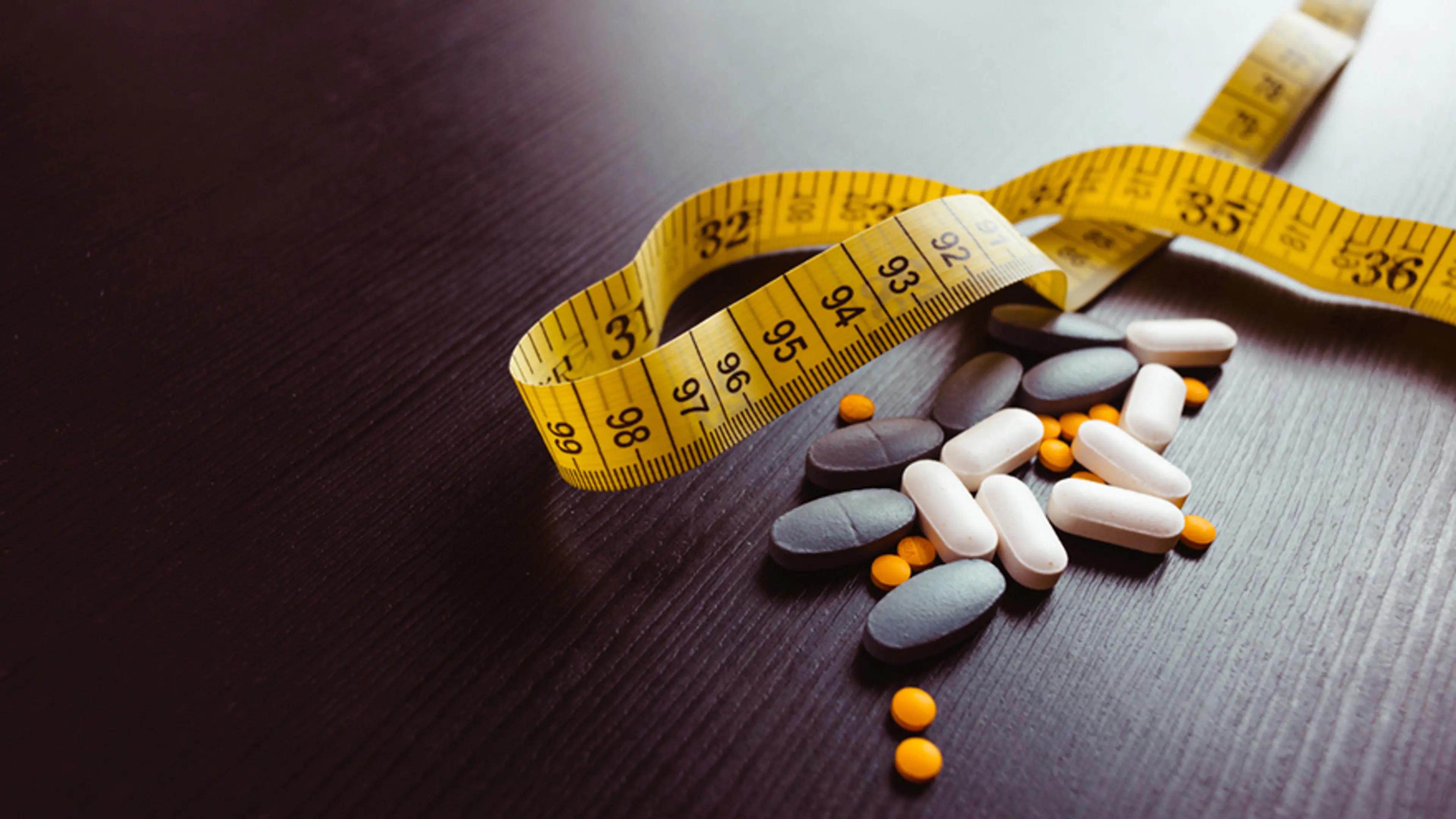
The term "diet pill" covers a wide range of products, including:

  • Prescription medications: These include clinically approved drugs such as phentermine, orlistat, liraglutide, and the newer GLP-1 receptor agonists like semaglutide and tirzepatide. These are often used in combination with lifestyle changes and under medical supervision.
  • Over-the-counter supplements: Marketed as fat burners, appetite suppressants, or detox aids, these products vary greatly in composition and effectiveness. Many rely on ingredients like caffeine, green tea extract, or garcinia cambogia, with inconsistent results.
  • Unregulated products: Sold online or off-label, these may contain unlisted or banned ingredients, putting users at serious risk without offering proven benefits.

Because the category is so broad, the reasons why these pills may fail to deliver results vary widely depending on the individual and the product.


Why Diet Pills May Not Work for Everyone

why-diet-pills-may-not-work-for-everyone

1. Biological Differences

1.-biological-differences

Each person has a unique metabolic and physiological profile that influences how they respond to medications. Key factors include:

  • Genetics: Certain gene variants affect how your body metabolizes medications and stores fat. For instance, some people have genetic predispositions that make appetite suppressants less effective.
  • Hormonal profile: Conditions like hypothyroidism, PCOS (polycystic ovary syndrome), and menopause can affect weight regulation, making it harder to lose fat even with medication.
  • Gut-brain signaling: Your gut hormones (like ghrelin and leptin) play a major role in hunger and satiety. If these pathways are disrupted, appetite control can be difficult even with pharmaceutical support.
  • Medical history: Underlying insulin resistance, chronic inflammation, or metabolic syndrome can significantly blunt the effect of diet pills.

Even widely studied medications like GLP-1 receptor agonists (such as semaglutide) show a range of real-world responses. In clinical settings, average weight loss may be 10–15%, but in actual practice, some patients lose less than 5%.

2. Lifestyle Still Matters

2.-lifestyle-still-matters

Many believe that pills alone can drive weight loss. However, no medication can override the fundamentals of energy balance. Without addressing:

  • Nutrition: A calorie-controlled, nutrient-dense diet remains the cornerstone of fat loss.
  • Physical activity: Regular exercise, particularly strength training, helps maintain lean mass and boost metabolism.
  • Sleep: Poor sleep increases hunger hormones and reduces insulin sensitivity.
  • Stress: Chronic stress can elevate cortisol levels, promoting fat storage, especially around the abdomen.

At PlanS Clinic, we emphasize lifestyle guidance alongside treatment. Our philosophy is clear: pills can support weight loss, but they can’t replace healthy habits.

3. Real-World vs. Clinical Trial Outcomes

3.-real-world-vs.-clinical-trial-outcomes

Clinical trials offer ideal conditions: regular monitoring, motivated participants, and controlled variables. In contrast, the real world is more complex. Common challenges include:

  • Inconsistent dosing: Patients may forget doses or fail to escalate medication as prescribed.
  • Side effects: Nausea, fatigue, or GI symptoms may lead people to discontinue use.
  • Limited access: Cost, availability, or lack of follow-up support can impact adherence.

As a result, the actual effectiveness of a diet pill in real life often falls short of the results promised in advertisements or studies. At PlanS Clinic, we address this by providing continuous, personalized follow-up care.

4. Unrealistic Expectations

4.-unrealistic-expectations

Weight loss expectations are often shaped by social media and marketing rather than science. Many patients hope for rapid, dramatic changes. In reality:

  • Effective medications are typically defined by 5–10% total body weight loss over 3–6 months.
  • Sustainable change takes time. Quick drops often reflect water loss or muscle atrophy rather than true fat reduction.

Unrealistic goals lead to frustration and premature discontinuation. That’s why we help patients set attainable, evidence-based targets.

5. Weak Evidence for Supplements

5.-weak-evidence-for-supplements

Most over-the-counter supplements have limited or poor-quality evidence. Issues include:

  • Inconsistent ingredients: Labels don’t always reflect what’s inside.
  • Lack of regulation: In many countries, supplements are not strictly regulated.
  • Undisclosed stimulants or contaminants: Some products contain hidden substances that can cause harm.
A 2019 study published in Nature highlighted that many weight loss supplements lack the scientific backing they claim. At PlanS Clinic, we discourage self-medicating with unverified supplements.

6. Metabolic Adaptation

6.-metabolic-adaptation

When you reduce caloric intake, the body fights back to preserve its energy stores. Known as adaptive thermogenesis, this includes:

  • Reduced resting metabolic rate
  • Increased appetite
  • Lower energy levels

If medication suppresses appetite but muscle mass isn’t maintained, metabolism slows, leading to a plateau. This is one reason we integrate strength-building guidance and body contouring at our clinic.

7. Side Effects and Discontinuation

7.-side-effects-and-discontinuation

While many prescription medications are effective, they are not without side effects. Common ones include:

  • Nausea or vomiting (especially with GLP-1 medications)
  • Insomnia or anxiety (stimulant-based drugs like phentermine)
  • Digestive distress (orlistat often causes oily stools and bloating)

When side effects are intolerable, patients often lower the dose or stop entirely, reducing effectiveness. Medical supervision and patient education are crucial to managing these challenges.


How to Make Diet Pills More Effective

how-to-make-diet-pills-more-effective

1. Get a Medical Evaluation

1.-get-a-medical-evaluation

Before starting any diet medication, it’s vital to assess:

  • BMI and body composition
  • Metabolic indicators (glucose, insulin resistance, lipid profile)
  • Hormonal status (thyroid, sex hormones)

A qualified physician can determine if medication is appropriate or if other underlying conditions need attention first.

2. Set Realistic Goals

2.-set-realistic-goals

Rather than chasing arbitrary numbers on the scale, set process-based goals such as:

  • Losing 5–10% of your starting weight

  • Improving waist circumference or body composition

  • Enhancing energy, mobility, or self-confidence

At PlanS Clinic, we celebrate every milestone—not just the big ones.

3. Use a Holistic Approach

3.-use-a-holistic-approach

Weight loss success improves dramatically when treatment is comprehensive. We recommend combining:

  • Medications: When appropriate and monitored
  • Diet counseling: Tailored to your preferences and metabolic needs
  • Body contouring treatments: Including non-invasive fat-dissolving injections for targeted sculpting
  • Skin rejuvenation: To tighten and refresh the appearance of post-weight-loss skin

Our integrative method enhances both functional and aesthetic outcomes.

4. Monitor and Adjust

4.-monitor-and-adjust

Weight loss is not linear. Regular follow-ups help identify plateaus, non-response, or side effects. If you don’t lose at least 5% of your body weight in 3–6 months, it may be time to:

  • Switch medications

  • Reassess your lifestyle habits

  • Investigate hormonal or metabolic barriers

Our team provides close, compassionate monitoring to ensure your plan evolves with you.

5. Plan for Long-Term Success

5.-plan-for-long-term-success

Many people regain weight once they stop medication. To counteract this:

  • Build sustainable habits while on the medication

  • Focus on preserving muscle through strength training

  • Use the "medication phase" as a jumpstart—not a forever plan

At PlanS Clinic, we offer post-treatment support and long-term coaching options to help patients maintain their progress.

6. Avoid Dangerous Supplements

6.-avoid-dangerous-supplements

Supplements that promise quick fat loss with zero effort are rarely effective and often harmful. Red flags include:

  • Claims of rapid weight loss ("Lose 10 kg in 10 days!")

  • Proprietary blends with no dosage transparency

  • Lack of clinical trials or third-party testing

We advise patients to consult only reputable clinics and physicians before trying any non-prescription product.


PlanS Clinic’s Approach

plans-clinic's-approach

Dr. Do Geon Gi and our expert team bring together medical science and aesthetic expertise to deliver results that are both safe and satisfying. Here’s what makes our approach unique:

  • Personalized plans: Every patient receives a tailored strategy based on their health profile and body goals.
  • Integrated treatments: We combine prescription medications with advanced non-invasive technologies.
  • Ongoing support: From your first consultation to long-term follow-up, we’re with you every step.

Whether it’s fat-dissolving injections, laser body sculpting, or metabolic management, we look at the full picture. Our goal isn’t just weight loss—it’s helping you become your healthiest, most confident self.


Final Takeaway

final-takeaway

If a diet pill hasn’t worked for you, you’re not alone. Weight loss is complex, and success depends on many interlocking factors. Medication is a tool—not a magic solution.
Considering a holistic approach to weight loss? Visit PlanS Clinic in Seoul for a comprehensive evaluation and a personalized treatment plan that aligns with your body, goals, and lifestyle. With evidence-based care and compassionate support, your transformation is within reach.